About the mandir
The Digambar Jain temple at Jaisinghpura, in the western part of Ujjain near the Shipra river, is listed in Jain pilgrimage directories as Shri Neminath Digambar Jain Atishaya Kshetra and Punya Bhumi. Beside it stands the Digambar Jain Sangrahalaya, a museum founded in 1944 by the Shri Digambar Jain Malwa Prantik Sabha, Badnagar, which preserves about 560 Jain sculptures and architectural pieces gathered from across Malwa. Together the jinalaya and the museum make Jaisinghpura the best place in Ujjain to encounter the city's long Jain heritage.
The Jinalaya at Jaisinghpura
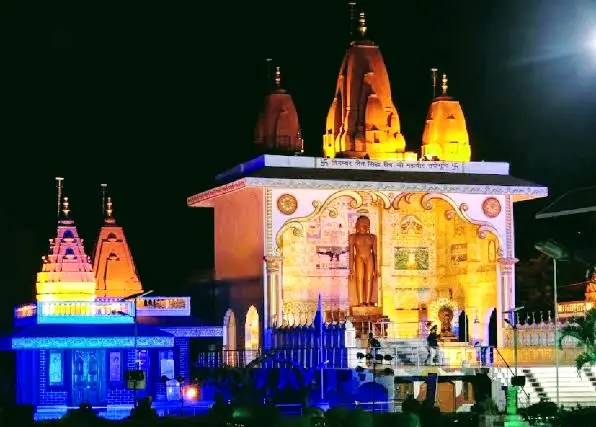
Jaisinghpura is an old quarter on the western side of Ujjain, lying between the Mahakaleshwar area and the Shipra. Its Digambar Jain temple appears in the standard lists of Digambar tirths of Madhya Pradesh as Shri Neminath Digambar Jain Atishaya Kshetra and Punya Bhumi, Jaisinghpura. The name tells us that the mulnayak, the principal image of the main vedi, is Bhagwan Neminath, the twenty-second Tirthankara. Local listings of Ujjain's Digambar temples likewise record it as Shri Neminath Digambar Jain Mandir, Jaisinghpura. Published sources do not give a firm date for the building or for the consecration of its images, and they do not describe the main idol in detail, so this website does not offer one. What can be said is that the temple has long been a centre of the Digambar Jain community of Ujjain, and that since 1944 it has also been the home of the community's archaeological collection.
Atishaya Kshetra and Punya Bhumi
In Digambar usage an atishaya kshetra is a tirth revered because devotees associate it with extraordinary, grace-filled happenings, as distinct from a siddha kshetra, where a soul attained liberation, or a kalyanaka kshetra linked to the life events of a Tirthankara. Jaisinghpura is classed as an atishaya kshetra in the Digambar tirth lists, and it is also called a punya bhumi, a meritorious ground, because of Ujjain's place in Jain sacred memory. Tirth directories add that Ujjain itself is counted by some as a siddha kshetra, since according to tradition Muni Abhayghosh attained liberation here. The particular atishaya stories told about the Jaisinghpura image are not recorded in the sources we could consult, and we have chosen not to repeat unverified accounts. Visitors who wish to hear them should ask the temple's pujari or committee members.
The Digambar Jain Museum: 1944 to Today
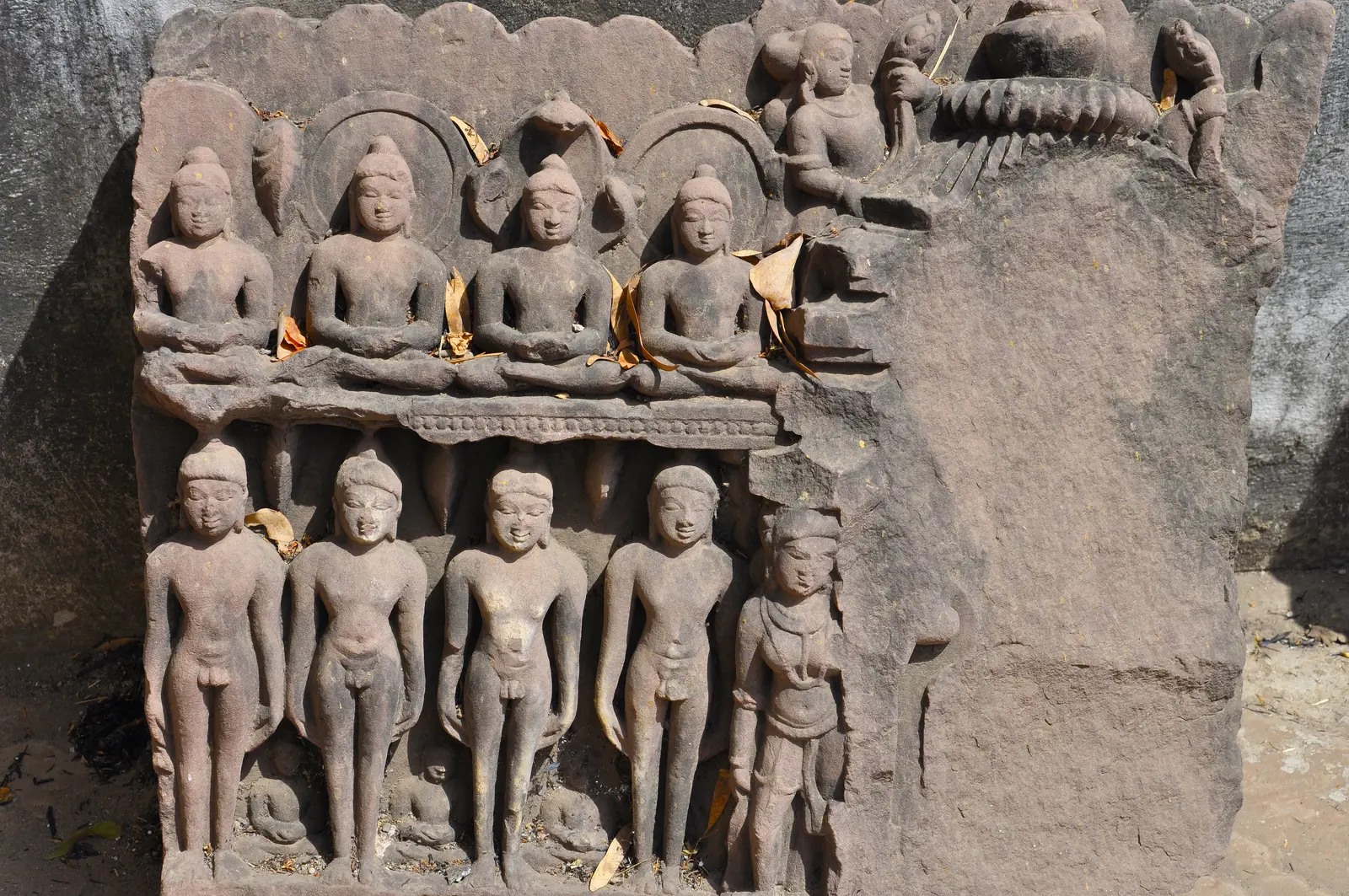
The museum was established in 1944 by the Shri Digambar Jain Malwa Prantik Sabha, Badnagar, to rescue Jain images and temple fragments lying scattered across Malwa. With official permission the Sabha began collecting, and about 560 artefacts were eventually brought to Jaisinghpura. The museum's own account credits Shri Satyandhar Kumar Sethi with a leading role in founding it and gathering the sculptures. For decades the pieces were kept in an ageing hall without proper display or security. In 2009-10 Shri Pradeep Kumar Kasliwal of Indore, on becoming president of the Sabha, drew up a plan for a modern museum. A new building was raised with a grant under the Government of India's scheme for regional and local museums together with the Sabha's own funds, and the redisplayed collection opened in April 2015. Every artefact was documented and registered, and a catalogue was prepared.
Galleries and What You Will See
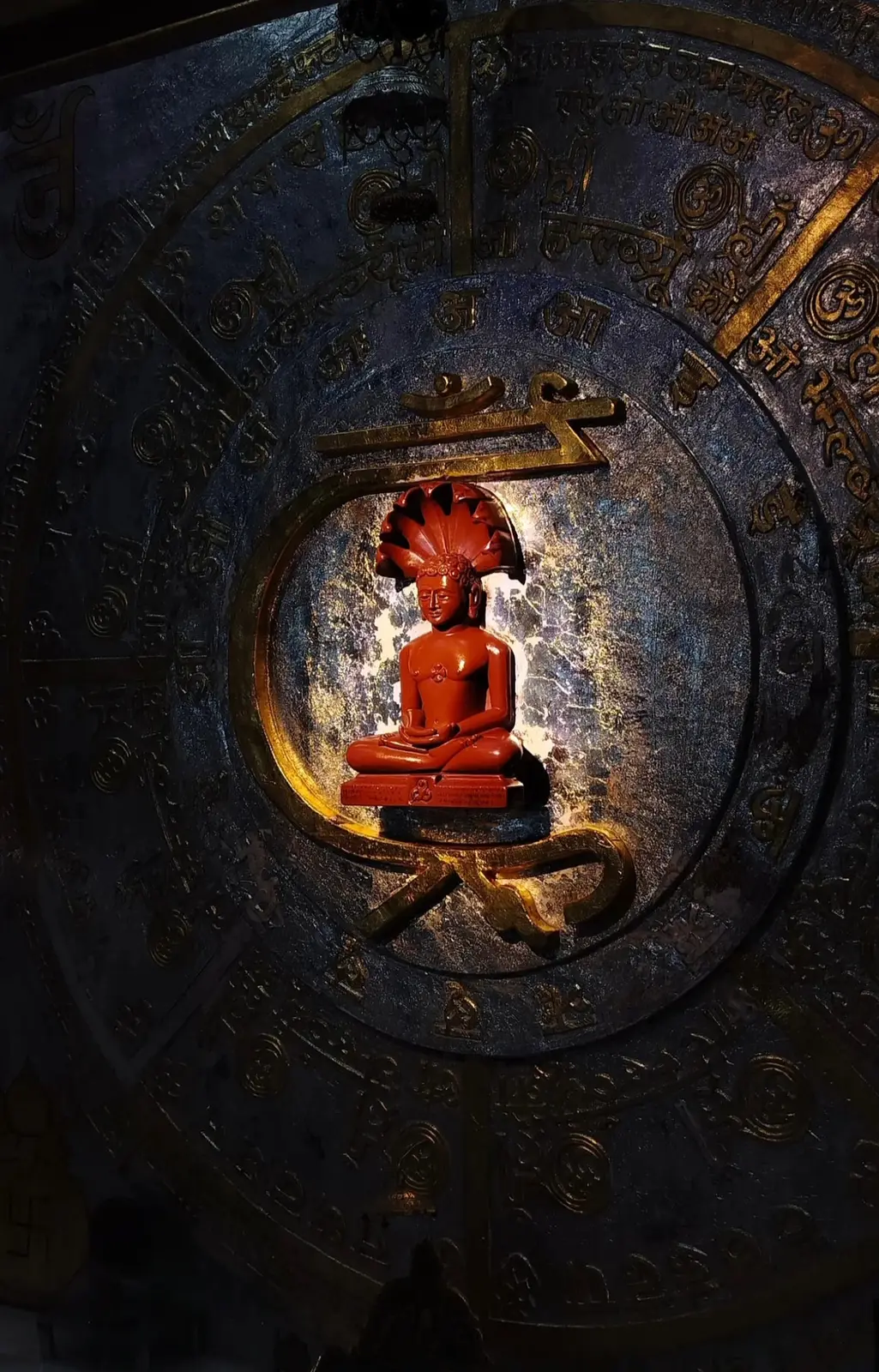
The museum is arranged in four main galleries. The Chaubis Tirthankar gallery presents images of the twenty-four Tirthankaras of the present age, from Bhagwan Adinath to Bhagwan Mahavir, and explains how each is recognised by the emblem carved on the pedestal. Separate galleries are devoted to Adinath and to Parshvanath, and a Murtikala gallery shows the wider range of Jain sculpture, including yaksha and yakshi figures and charan (footprint) slabs of ascetics. Smaller objects are displayed in a series of showcases. According to the museum, the pieces come from temples built in Malwa after the Gupta period under the Pratihara, Paramara and Kachchhapaghata rulers. There is also an acoustically treated auditorium where documentaries and a 3D film on the sixteen auspicious dreams of a Tirthankara's mother are shown. Photography inside the galleries is reported to be prohibited.
Ujjayini in Jain History
Ujjain, the ancient Ujjayini and capital of Avanti, holds an honoured place in Jain memory. According to Digambar tradition the last shrutakevali, Acharya Bhadrabahu, foresaw a twelve-year famine and led a great sangha to the south; the Maurya emperor Chandragupta is said to have taken muni diksha and gone with him, a link recorded in inscriptions at Shravanabelagola from about the sixth to seventh century onward. Tirth directories place the acharya's departure at Ujjain. Jain texts such as the Parishishtaparvan remember Samprati, grandson of Ashoka, as a devoted patron of Jainism who ruled from Ujjain. Shvetambar tradition connects Acharya Siddhasena Divakar and the Kalyan Mandir Stotra with the Avanti Parshvanath image, and the Kalakacharya-katha is set in the city. Tradition also holds that Bhagwan Mahavir endured an upasarga in a cremation ground here. In the 2011 census Jains were about 2.4 per cent of the city's population.
Facilities for Pilgrims
Jain tirth directories record that lodging is available at the kshetra, listing rooms, a hall and a mess (bhojanshala). A dharamshala attached to the temple, known as Shri Neminath Digambar Jain Atishaya Kshetra Bhavan, is listed on a pilgrim-booking portal with simple two-bed non-AC rooms, attached toilets, hot water, drinking water, parking and CCTV; the same listing says the main gate is closed from 10 PM to 6 AM. That listing does not mention a dining hall, so pilgrims who need Jain meals should confirm the current bhojanshala arrangement with the management before travelling. The address given is near the Jaisinghpura railway crossing, about 1.6 km from the Mahakaleshwar temple. Room tariffs change and are not quoted here. Because no official temple website or verified telephone number could be confirmed, we recommend arranging stays through the temple office in person or through the wider Digambar Jain community of Ujjain.
At a glance
- Tradition
- Digambar Jain
- Mulnayak
- Bhagwan Neminath, the 22nd Tirthankara (as named in Jain tirth directories)
- Type of tirth
- Atishaya Kshetra and Punya Bhumi
- Location
- Jaisinghpura, western Ujjain, near the bank of the Shipra
- Museum founded
- 1944, by Shri Digambar Jain Malwa Prantik Sabha, Badnagar
- Museum collection
- About 560 Jain sculptures and artefacts from Malwa and nearby regions
- New museum building
- Rebuilt and reopened in April 2015
- Museum hours
- 8 AM to 7 PM, all days (as stated on the museum's own website)